Overheard in a casual conversation: someone I know, intelligent, well-meaning, and generally delightful, wistfully said they were born in the wrong era. I’ve heard this sentiment before. Quite a few times, actually. Almost always from good eggs. Thoughtful people. Sensitive souls. I’ll admit, even I’ve entertained the fantasy. That a hundred-odd years ago, life was somehow slower, kinder, more civilised. That had I been born in, say, the late 19th century, I’d be reclining in some leafy estate, living the gentle life of a pipe-smoking gentleman of letters, writing longhand notes to lovers and editors, riding horses without a helmet, retiring at dusk to a private library, and attending ballroom affairs where men bowed and women curtsied with grace.
It’s a lovely image, isn’t it?
But peel back the sepia, and it begins to smell a little off.
Because that version of history, the one with silk gloves and handwritten invitations, only exists for a tiny slice of people. And those of us who feel this sort of nostalgia often make one convenient, unspoken assumption: that we’d be part of that elite. That we’d be the ones drinking sherry and debating politics in drawing rooms, not emptying chamber pots or dying of syphilis in alleyways. Given my caste and gender, that assumption isn’t entirely implausible. But it is unexamined, and frankly, rather arrogant.
The vast majority of people back then, and by ‘people’ I mean women, lower castes, the colonised, the poor, lived lives that were, in Hobbesian fashion, nasty, brutish, and short. For most humans in most of human history, the past wasn’t a picnic. It was a battlefield. One you were usually losing.
And yet, the fantasy persists.
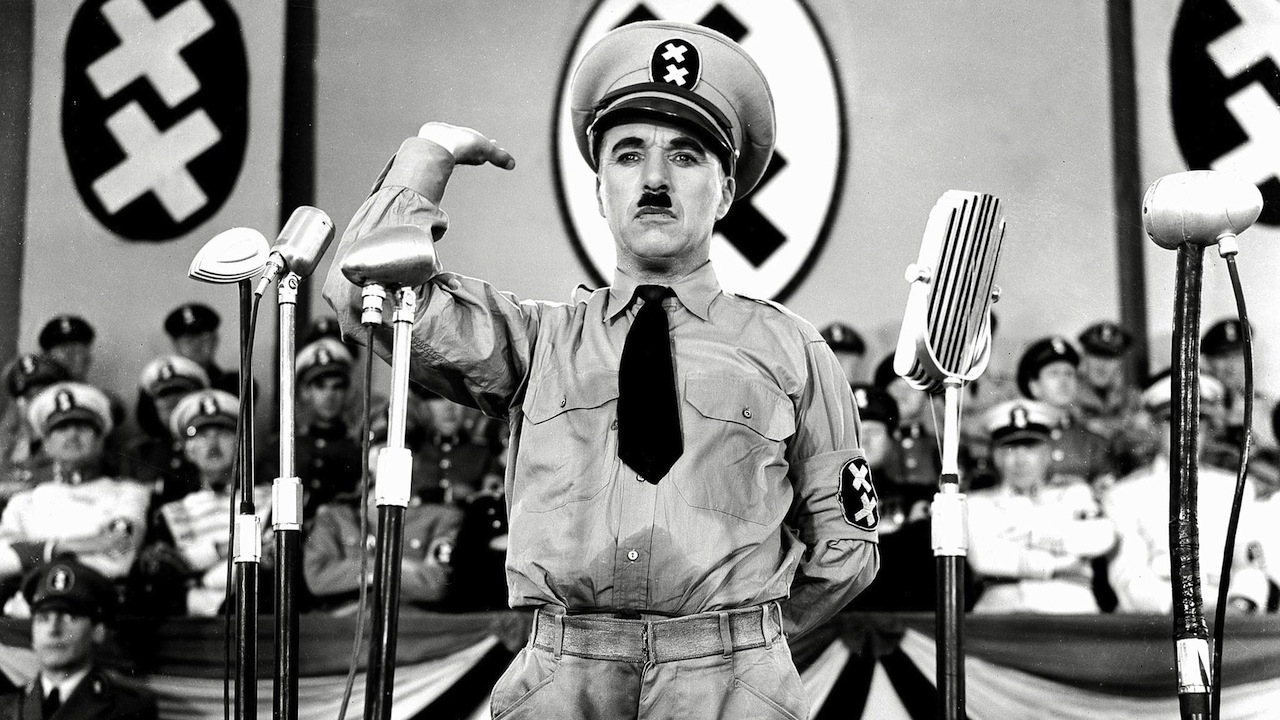
I see the same delusion in those who yearn for a “benevolent dictator” to set things right. Ah yes, the noble strongman. The just tyrant. The great fixer. Of course, this magical despot is always presumed to be someone who shares their values, their tastes, their sense of right and wrong. Someone they’d have a drink with, perhaps. It never occurs to them that the baton might land in the hands of their ideological nemesis.
Which is why I like to ask them a simple question: “Would you still want a dictator if that person,” and here, I gesture casually to someone they utterly detest, “were the one in charge?”
The silence that follows is often the most honest thing they’ve said all day.