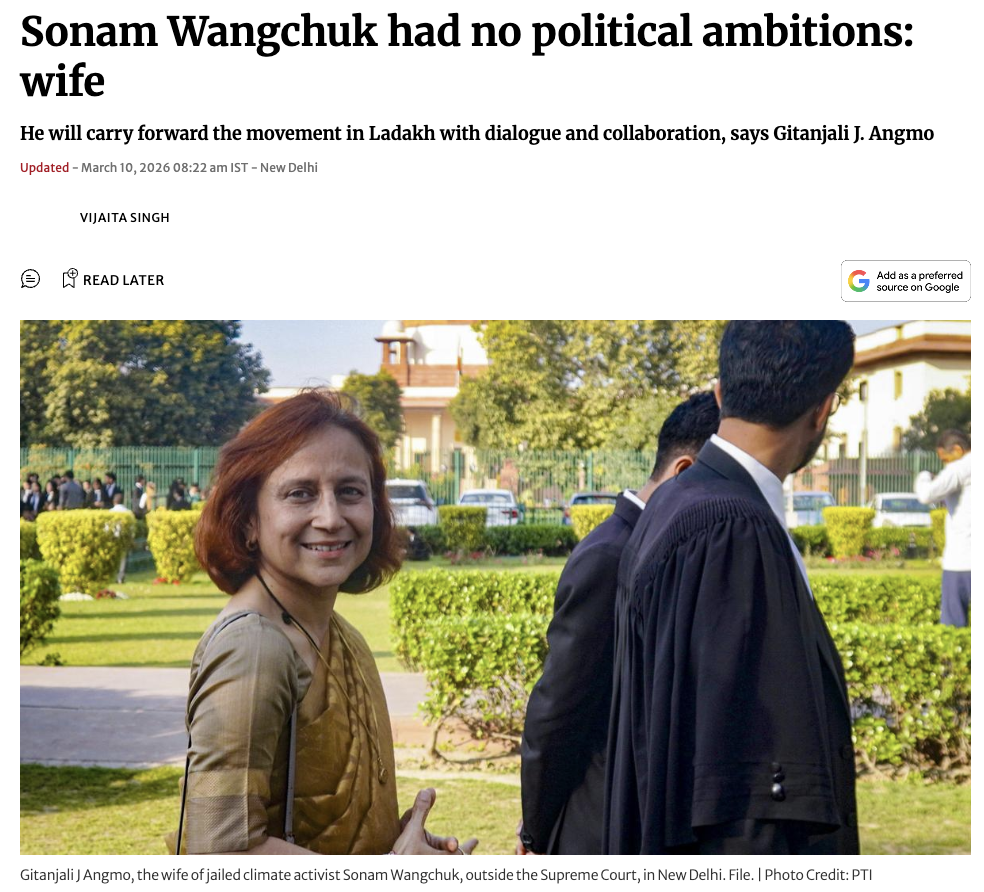
I have never been a Sonam Wangchuk fan. To me, he has always seemed, at best, a man trapped inside his own carefully constructed image, and at worst, a weaselly opportunist with impeccable timing. So I do not see his release as any grand vindication of truth or justice. It looks far more like a win for the government, which appears to have extracted from him precisely what it wanted: a promise to abandon agitation and pursue Ladakh’s constitutional demands through “dialogue and collaboration” instead.
In other words: sit down, be quiet, and call it statesmanship.
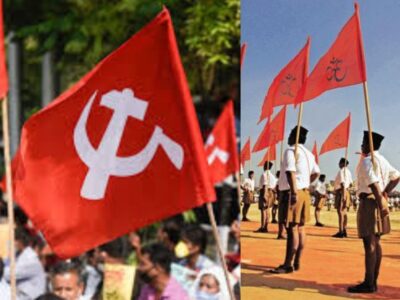
We know how this story ends. The government offers him something suitably plum (not a pension exactly, but you know what I mean). Then, sixty years after his death, the right wing adopts him as its own. His capitulation gets reframed as a feint, a clever ruse to outwit an oppressive state; Rahul Gandhi gets blamed for suggesting it; and Wangchuk emerges, posthumously, as a patriotic but misunderstood son of the soil.
Meanwhile, Umar Khalid, a principled prisoner of conscience who has committed no crime beyond invoking Gandhian resistance in a speech, continues to rot in jail without trial, without bail, without so much as the pretence of due process.
But do not worry. History will be kind. It always is, to those who make their peace with power. After all, we have a fine tradition of that particular brand of courage in this country.
Might as well call him Veer Wangchuk. What say?