Let me tell you something about yourself that I can say without ever having met or known you:
You are the sort of person who sometimes doubts yourself, but you have a good heart. You value honesty, even when it costs you. You have had disappointments in love, but you still believe that your life has a larger purpose. You crave stability, but you also get restless when things feel too routine.
Sound familiar? Of course it does. That, right there, is the Forer effect, the human tendency to accept vague, general statements as uniquely true about ourselves. Psychologist Bertram Forer proved it in 1948, but every magician and mentalist since has relied on it. It is the same little loophole in our psychology that astrologers, palmists, numerologists, and tarot readers have been exploiting for centuries.
Which brings me to the latest miracle of modern technology: the astrology app.
There was a time when the future arrived slowly, like the bicycle bell of a postman or the thud of a newspaper at your door. Now, it arrives as a push notification, “Your daily horoscope is ready.” And before you know it, you are staring at a bright-faced stranger on Instagram or YouTube, promising to tell you when you will fall in love, when your boss will fire you, or when you will finally “manifest abundance.”
I should not be surprised. In India, astrology was always among the first businesses to colonise every new medium. When the dot-com boom began and we believed the Internet would be a revolution of reason, even then it was astrology that bloomed first, right beside Bollywood, cricket, and discounts, the original ABCD of Indian consumer life. Back in those early days, before Hotmail was sold, before it was fashionable to call oneself a “founder,” I watched as portals promised cosmic insight through dial-up modems. It was a joke then. It is not one now.
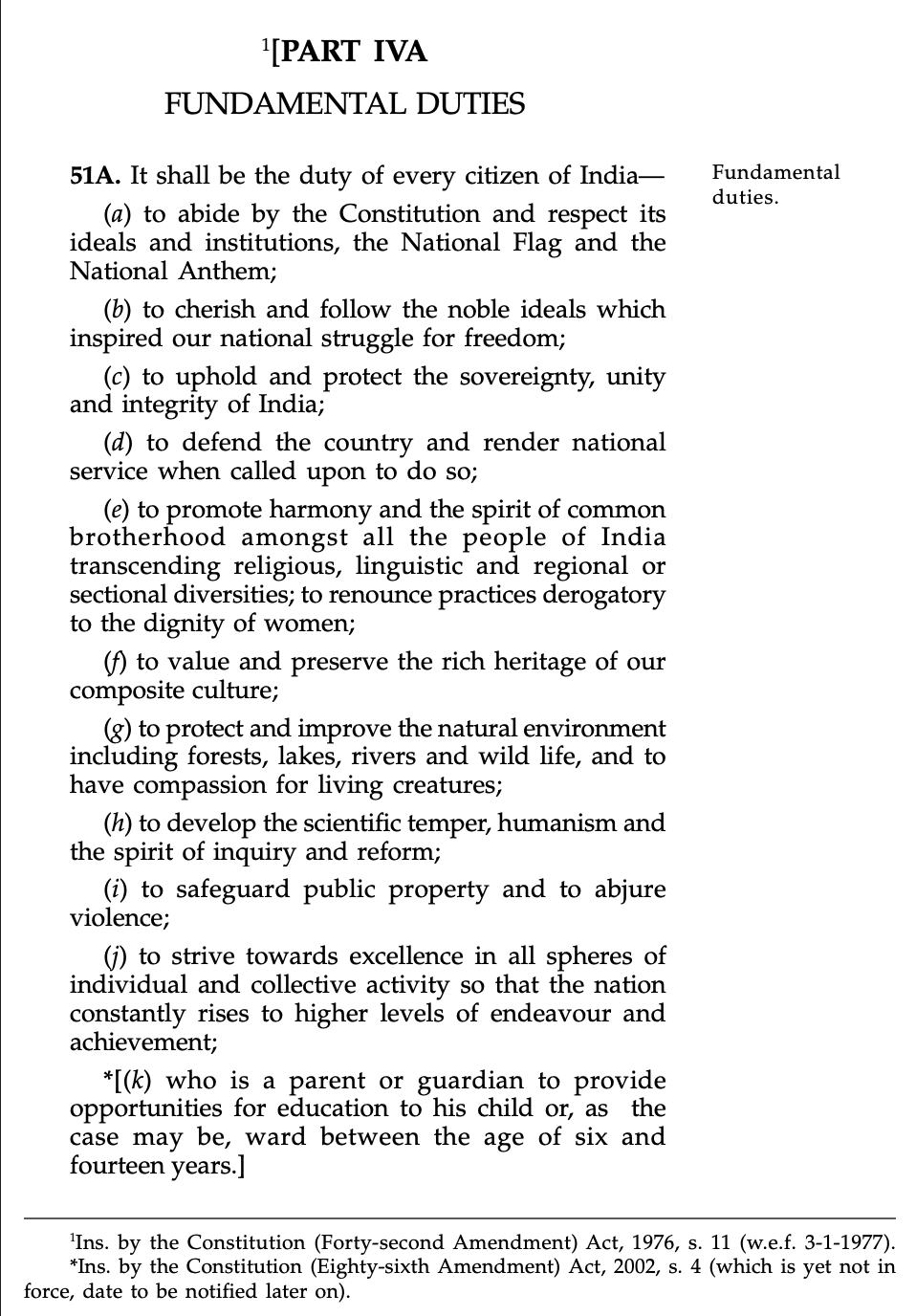
What is tragic, and perhaps uniquely Indian, is that ours is the only Constitution in the world that explicitly instructs its citizens to develop scientific temper, humanism, and the spirit of inquiry and reform. Article 51A(h), added through the Forty-Second Amendment of 1976, stands as both aspiration and irony. For while our founding document urges us to think rationally, our markets are busy selling mysticism in the guise of data.
The new astrologers wear blazers and sarees instead of saffron robes (though those too). Their sales pitch is a sleek video, a good-looking man or a serene woman challenging “non-believers,” predicting a stranger’s secret, and within seconds the sceptic is transformed into a convert. It is a performance of persuasion, cringeworthy, kitschy, and yet devastatingly effective. There is no science here, no repeatable evidence, nothing but theatre. Magicians like P. C. Sorkar once performed such illusions but with a difference; they called them what they were, tricks. You bought a ticket to be deceived, and that honesty was the magic.
The modern astrologer is less honest. He calls it truth.
That would have been merely amusing if it stayed confined to the rich, those who, in their heart of hearts, know their wealth is ninety-nine percent luck. For all their sermons about hard work and meritocracy, the privileged understand that fortune, timing, and birthright made them what they are. Their superstition is a way of negotiating that guilt. They pay for Vastu, gemstones, number plates, lucky letters. It is their private tax on luck, and they can afford it.
But the danger lies elsewhere, in the new audience these apps have found. Look at the questions they answer. When will I get married? Will I get a job? Will I go abroad? These are not the anxieties of the middle-aged. They belong to twenty-somethings adrift in a collapsing job market and a collapsing sense of meaning. That first “free consultation” is bait, the digital equivalent of the first cigarette. The app flatters them, reassures them, gives them a neatly formatted future, and then quietly charges for the next dose of hope.
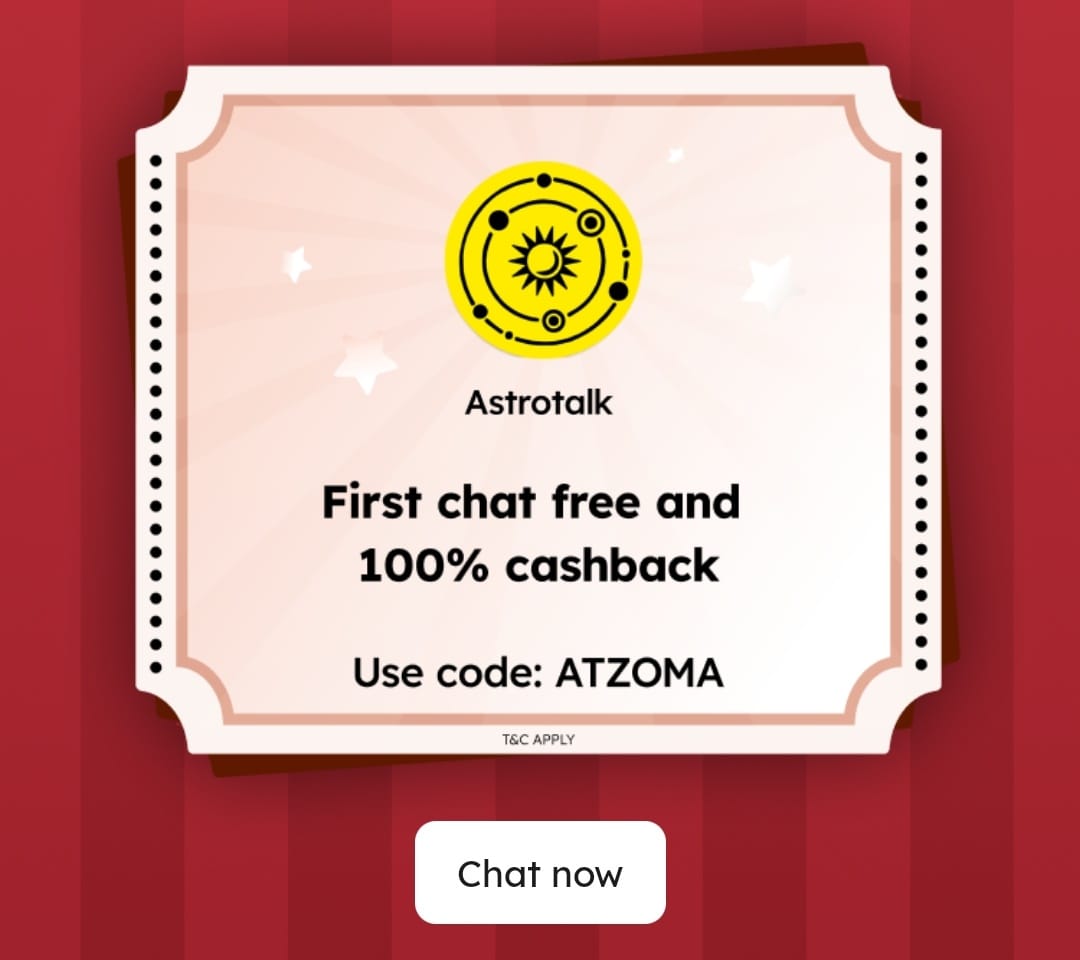
And thus, a generation raised on code and space exploration learns to consult the stars in the oldest possible way.
This, I fear, is the new epidemic, not of ignorance, but of surrender. Each download is a tiny abdication of agency, each horoscope a small betrayal of that constitutional duty to think. The irony is unbearable; a nation that can launch rockets to Mars now needs an app to tell it when to fall in love.
Perhaps that is the saddest part of all. The astrologers have not just sold us superstition; they have sold us permission, permission to stop asking why, to stop thinking, to stop bearing the burden of uncertainty. And as life begins to imitate this algorithmic artifice, the stars may no longer be what we look up at, but what we scroll through.
And somewhere, deep in the parchment of the Constitution, Article 51A(h) still waits for its citizens to remember that they were once asked to develop a scientific temper.